
10 best-in-class AI tools for engineering leaders
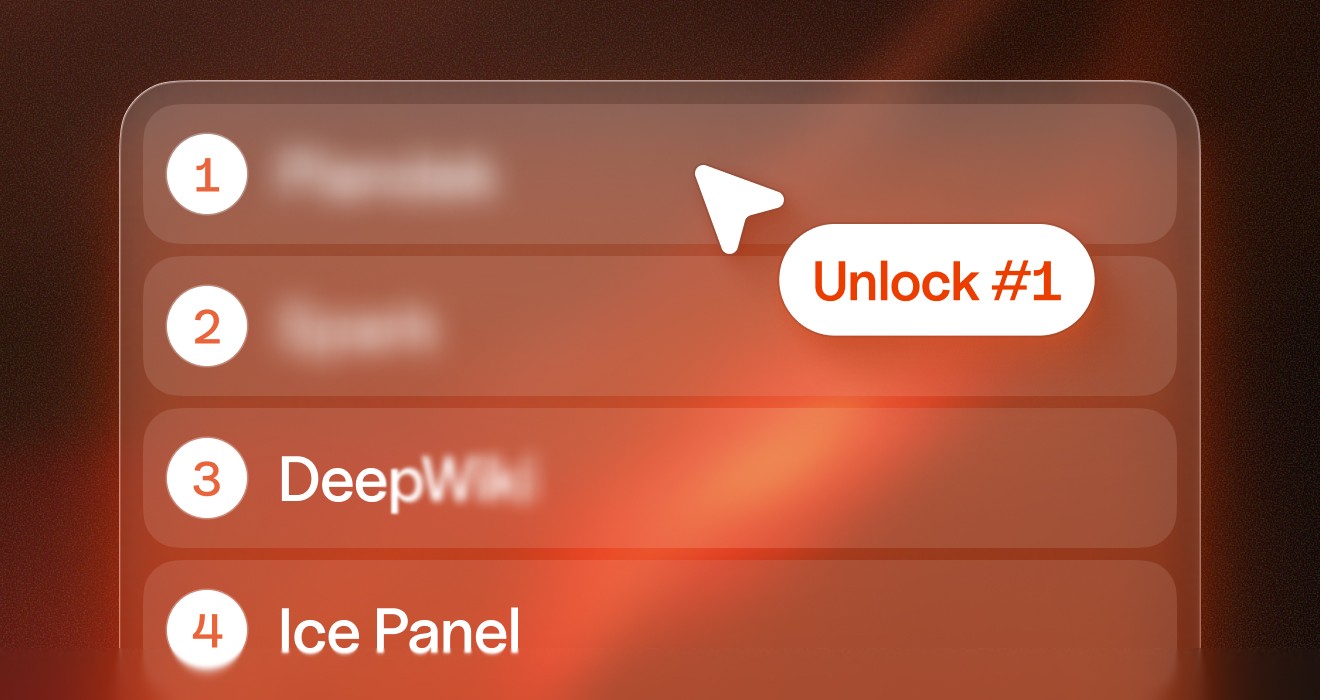
According to Plandek’s 2026 Engineering Productivity Benchmarks, AI helps lower-performing engineering teams 4x more than high-performing teams.
Most teams are already generating more code with AI, but delivery hasn’t improved in the way many expected. In practice, AI is accelerating parts of the SDLC while exposing or intensifying bottlenecks elsewhere.
The teams seeing real gains are not just using AI to generate output – they are applying it to constraints across the system. That requires visibility into how work actually flows end-to-end.
This guide looks at some of the most interesting AI tools across the SDLC in 2026, and where they are genuinely useful – through the lens of how they impact system performance.
Before You Start: A System to Understand and Truly Improve AI Impact
Most AI tools for software engineering optimise a single stage of the SDLC, like coding, testing, or incident response.
Plandek sits above that layer
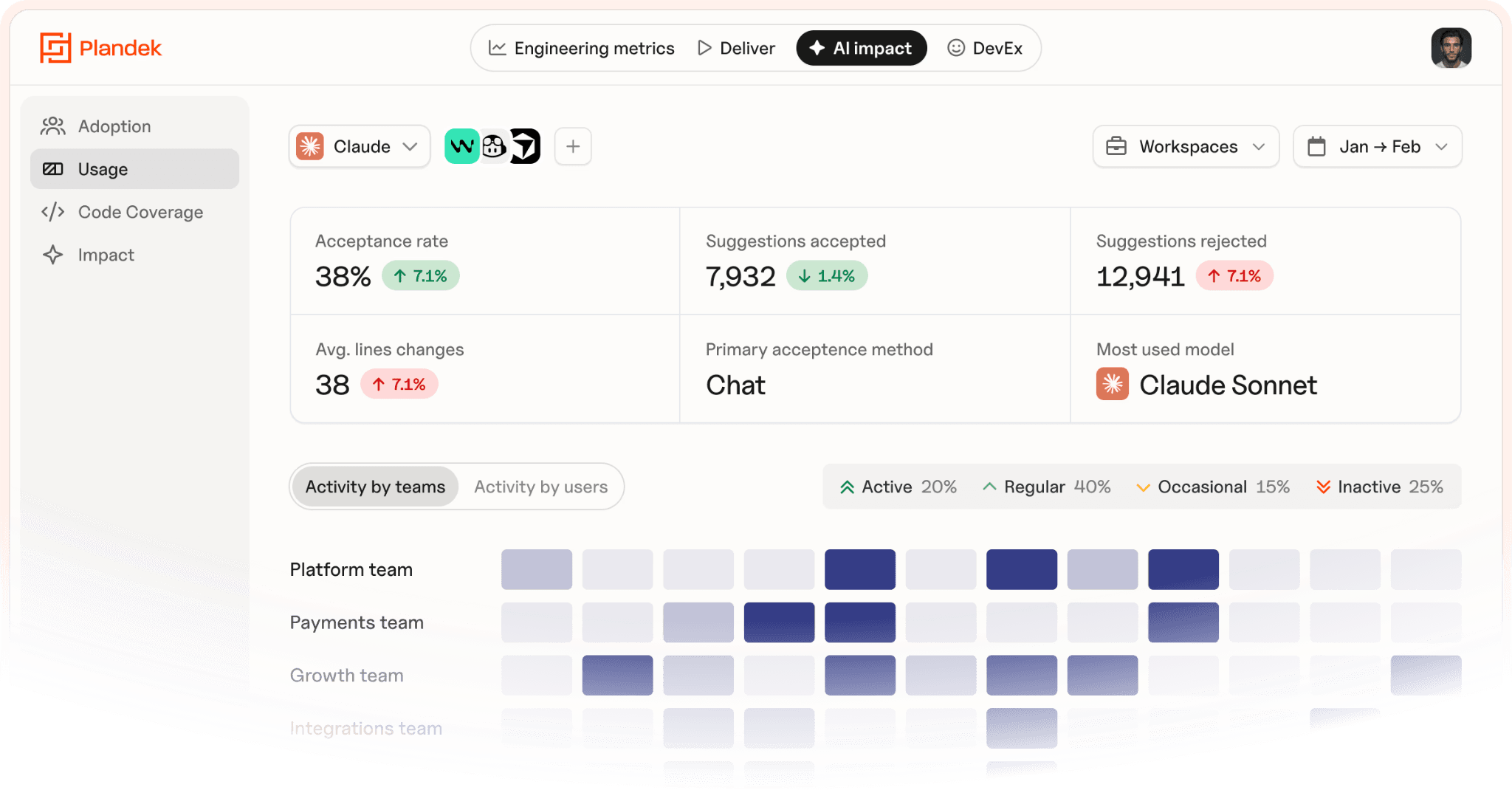
Plandek gives engineering leaders visibility into how work actually flows across the system. It helps teams understand where AI is improving productivity, where bottlenecks are emerging, and what needs to change to turn AI adoption into faster, more predictable software delivery outcomes.
Features
Tracks the adoption and usage of AI tools like Copilot, Cursor, and Devin
Tracks DORA metrics, flow metrics, and delivery metrics across the SDLC
Measures AI impact on speed, predictability, quality, and roadmap delivery
Identifies bottlenecks and constraints exposed by AI-accelerated development
Shows how AI changes flow across planning, coding, review, testing, and release stages
Surfaces AI-driven insights and recommendations through Dekka, Plandek’s AI Delivery Assistant
Connects data from Jira, Git, CI/CD, testing, and deployment systems to create a unified view of delivery
This is what makes Plandek strategically important.
If you are adopting AI in discovery, coding, testing, or operations, you need a way to measure the downstream effect on the whole system. More code, more pull requests, or faster task completion do not necessarily mean faster delivery. Plandek gives leaders the visibility to see whether AI is actually improving outcomes at each stage of the SDLC, where constraints are shifting, and which interventions are creating real gains versus more noise.
Pricing: From $25/contributor/month. Free trial available.
Start a free trial with Plandek.
Discovery and requirements
2. Spark – AI product research and spec drafting
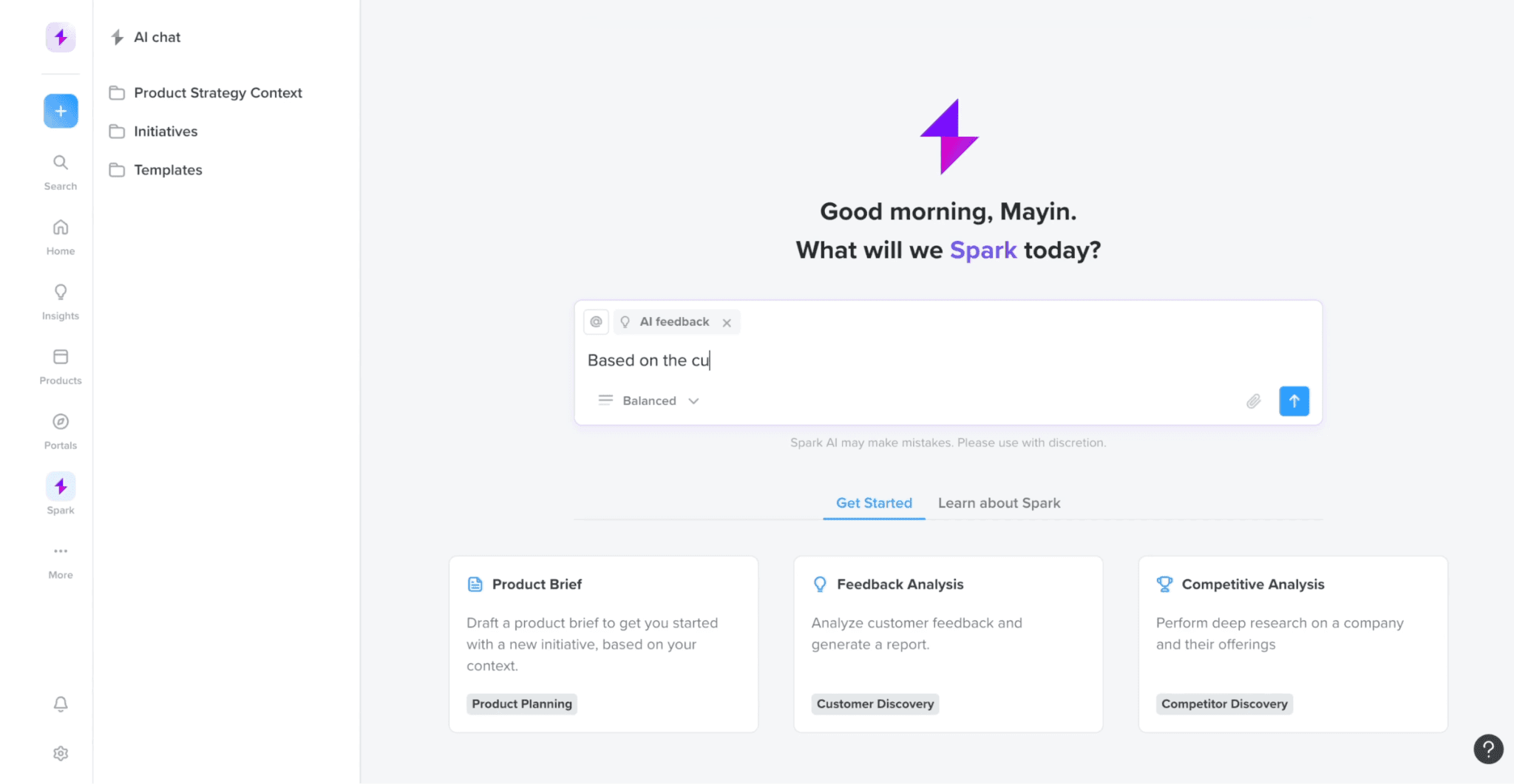
This tool from Product board turns customer feedback, product context, and market signals into briefs, PRDs, and engineering-ready specs.
Features
Synthesises customer feedback at scale
Drafts briefs, PRDs, and specs
Supports competitive research
Built around PM workflows
Spark is focused on one of the messiest parts of the SDLC: turning scattered customer input into something structured enough for delivery teams to use. For leaders, its value is less about speed alone and more about improving the quality of the handoff between discovery and execution. That is where a lot of downstream confusion starts.
Pricing: $15 maker/month at the time of writing. Free trial available.
Click here to visit Spark's site.
Design and architecture
3. DeepWiki – AI documentation and codebase understanding
A repo-to-wiki tool that generates browsable documentation and architecture context from code repositories.
Features
Creates wiki-style docs from repos
Helps teams explore codebases quickly
Supports codebase Q&A
Available for public repos at no cost
DeepWiki helps you what already exists before new work begins. In practice, many engineering teams spend too long reconstructing architecture from code, tribal knowledge, and half-maintained docs. For leaders, that makes DeepWiki useful not as a diagramming tool, but as a way to shorten onboarding, improve design discussions, and reduce wasted time before implementation starts.
Pricing: Free for public repositories. Private repo access depends on broader product setup.
Click here to visit DeepWiki's site.
4. IcePanel – architecture modelling with AI assistance
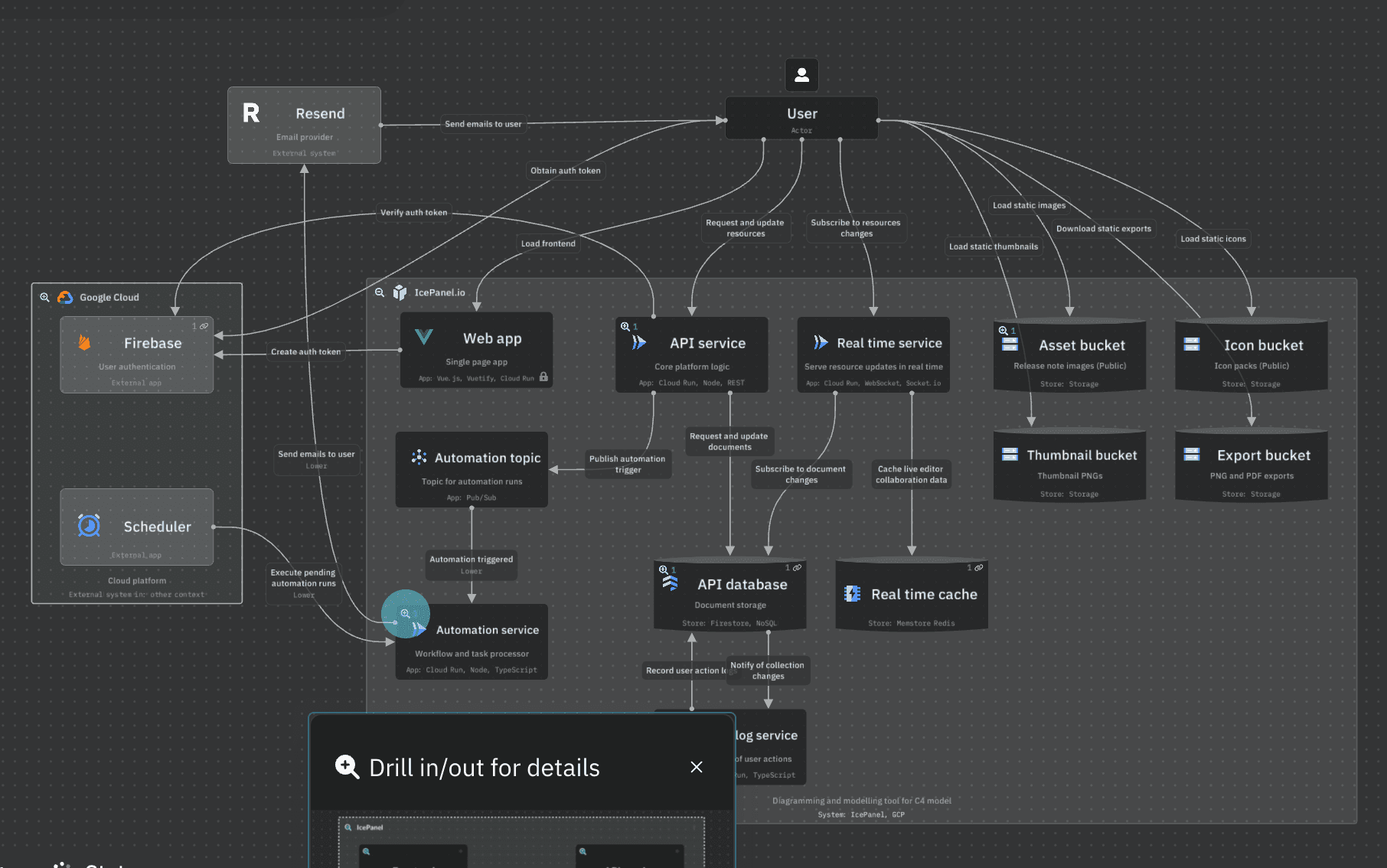
IcePanel is a collaborative architecture modelling tool built around structured system diagrams and C4-style views, with newer AI and MCP features layered on top.
Features
Supports C4-based architecture modelling
Maintains hierarchical system views
Includes AI-generated descriptions and insights
Offers MCP access in beta
IcePanel is useful because it treats architecture as a model rather than a one-off diagram. That makes it more valuable than a simple AI diagram generator when teams need repeatable system views and shared understanding over time. From a leadership perspective, it is particularly relevant in organizations where architecture drift, poor documentation, or cross-team communication are slowing delivery.
Pricing: Free and paid plans available. Paid plans start from team-level pricing.
Click here to visit IcePanel's site.
Testing and QA
5. Momentic – AI-native end-to-end testing
An AI testing platform focused on web and mobile end-to-end testing, with an emphasis on reducing brittle automation and increasing coverage.
Features
AI-native web and mobile testing
Helps expand test coverage
Designed to reduce flaky tests
Built for fast-moving product teams
Momentic is interesting because it is targeting one of the least loved areas of the SDLC: UI and regression testing. Traditional end-to-end suites are often slow to build and expensive to maintain. For leaders, the appeal is clear: if a tool can reduce manual QA effort and lower maintenance overhead without making the test suite less trustworthy, it becomes strategically useful. The caveat is that this category still needs careful validation, because AI-generated UI testing can look better in demos than in production.
Pricing: Pricing is not publicly detailed on the main site. Demo access is available.
Click here to visit Momentic's site.
6. Diffblue Cover – autonomous Java unit test generation
A Java-focused tool that automatically generates unit tests for existing code.
Features
Generates Java unit tests automatically
Integrates with IntelliJ
Supports CI workflows
Pricing tied to coverage delivered
Diffblue is not new in the broad sense, but it is still more specialised and genuinely useful than many general-purpose AI coding tools. Its strength is clarity: it is built for one language and one problem. For leaders running Java-heavy estates, especially older ones, that specificity is an advantage. It can help improve test coverage in systems that would otherwise remain under-tested because the manual work is too slow or too expensive.
Pricing: Public pricing starts from a fixed amount for a defined number of net new lines of coverage.
Click here to visit Diffblue Cover's site.
Deployment and platform operations
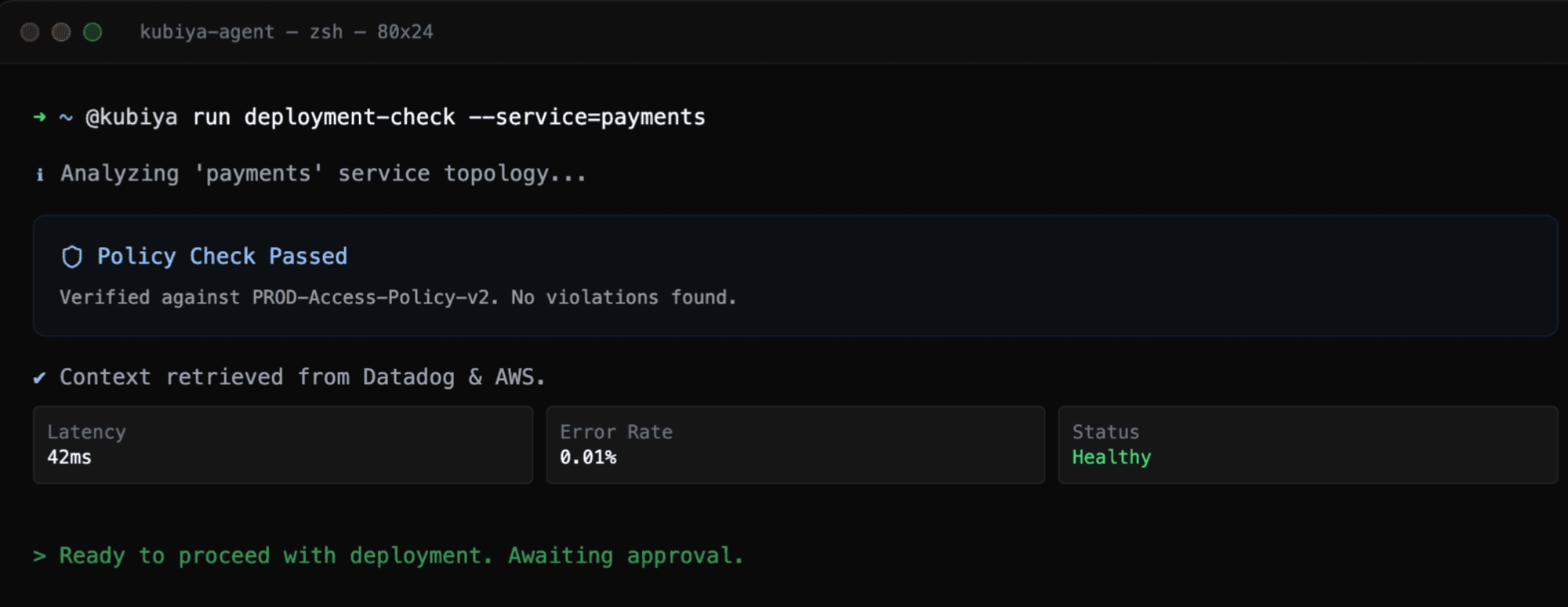
7. Kubiya – AI platform engineer for DevOps workflows
Kubiya is an agentic DevOps and platform automation tool designed to let teams run infrastructure and operational workflows through natural language and structured agents.
Features
Automates DevOps and platform tasks
Connects to cloud and infra tools
Supports Terraform and Kubernetes workflows
Works through agents and chat-based interfaces
Kubiya is one of the more distinctive tools in this space because it behaves less like a coding assistant and more like a platform operations layer. That makes it relevant for leaders thinking about internal developer platforms, self-service infrastructure, and reducing operational bottlenecks. The upside is significant, especially in platform engineering teams. The risk is also clear: bad automation scales mistakes quickly, so this category needs strong guardrails.
Pricing: Commercial pricing is available, but exact public pricing varies by setup.
Monitoring and observability
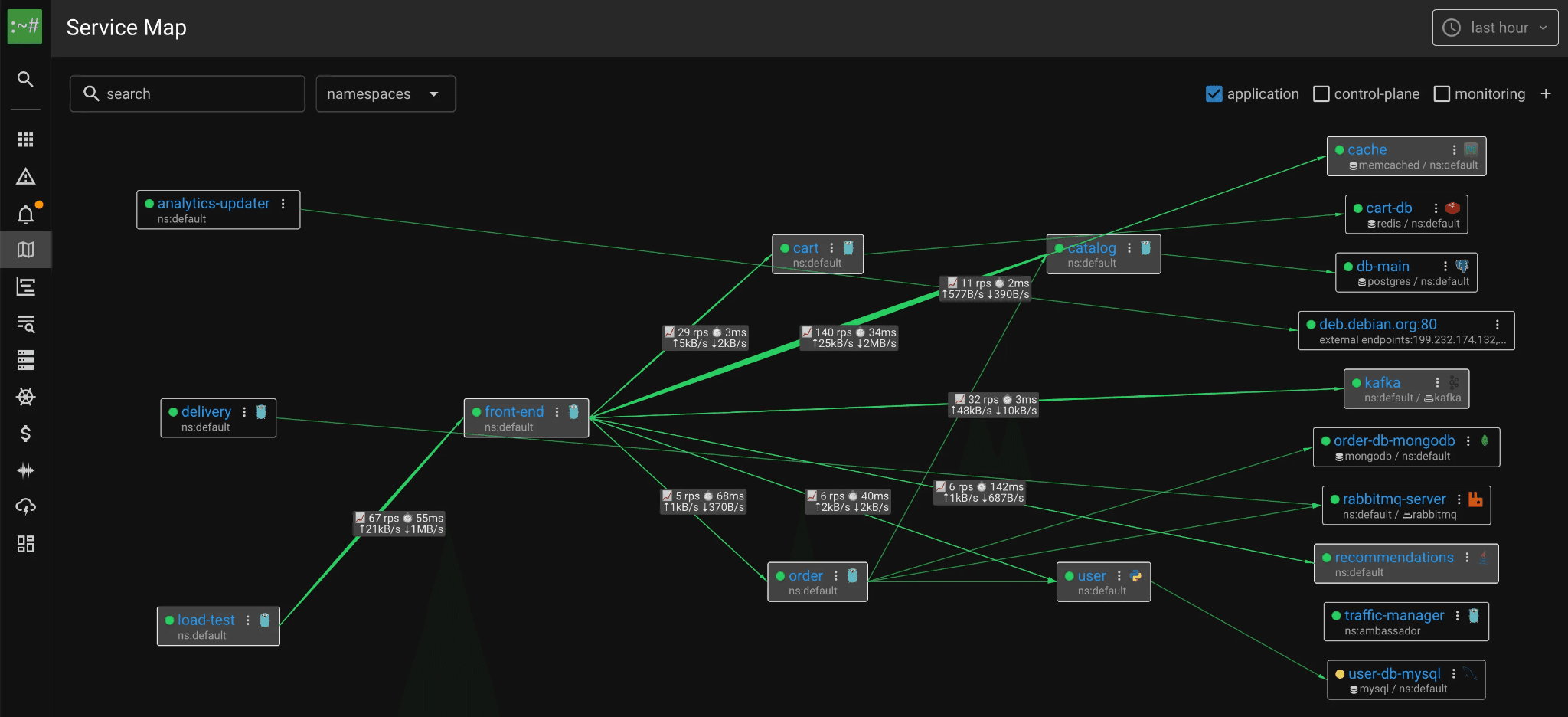
8. Coroot – observability with AI-assisted root cause analysis
Coroot is an observability platform that uses eBPF-based telemetry and AI-assisted root cause analysis to explain production issues.
Features
Full-stack observability
AI-assisted root cause analysis
Uses dependency and telemetry analysis first
Community and enterprise options available
Coroot is particularly interesting because of how it uses AI. It does not rely on the model to invent a root cause from scratch. Instead, it uses its own system analysis first, then uses AI to explain findings and suggest next steps. That is a much more credible approach than many AI observability features. For leaders, it offers a sensible model for how AI should be used in production operations: grounded in evidence, not guesswork.
Pricing: Community Edition available. Enterprise pricing starts from usage-based infrastructure pricing.
Click here to visit Coroot's site.
Maintenance and refactoring
9. Grit – deterministic large-scale code transformation
Grit is a code transformation tool designed for repeatable migrations, refactors, and policy-driven code changes across large codebases.
Features
Supports declarative code transforms
Useful for migrations and upgrades
Integrates with GitHub workflows
Works well for repetitive maintenance work
Grit is one of the strongest examples of a genuinely useful AI-era maintenance tool because it is not based on freeform generation alone. It is deterministic, recipe-based, and designed for large-scale change. For leaders, that matters. Refactoring and modernisation work is often too costly to prioritize until it becomes urgent. Tools like Grit make some of that work more manageable, especially when consistency matters more than creativity.
Pricing: Broader commercial pricing depends on use case. Free plan available.
Click here to visit Grit's site.
Security and DevSecOps
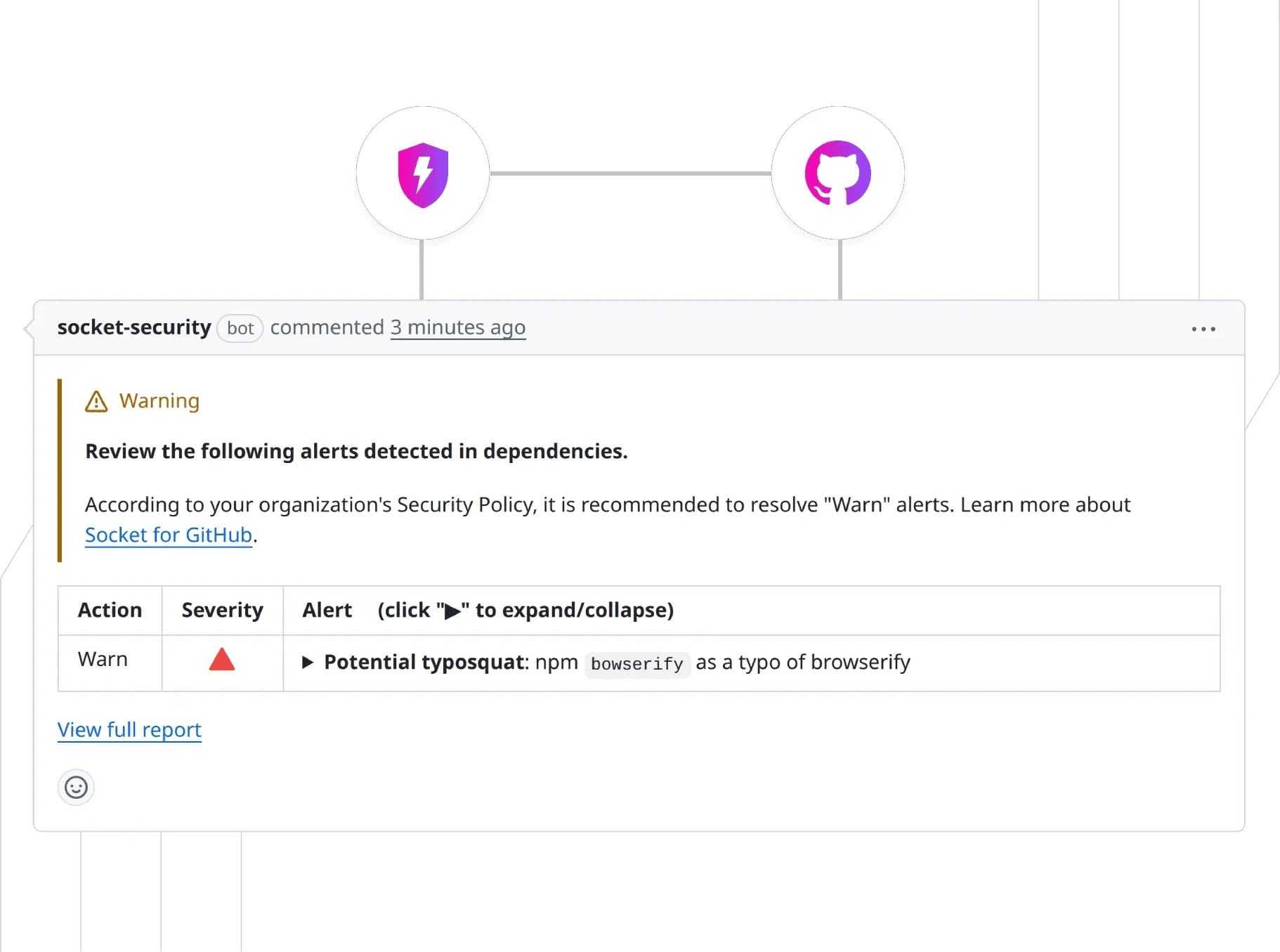
10. Socket – dependency and supply chain risk detection
Socket is a security tool focused on open source dependencies, malicious packages, and risky package behaviour.
Features
Detects vulnerable and malicious dependencies
Analyses hidden package behaviour
Supports PR and CI workflows
Strong fit for JavaScript-heavy environments
Socket is worth attention because dependency risk has become more important in an AI-assisted development world, not less. As code generation speeds up and dependency use increases, the risk of pulling in unsafe packages grows with it. For leaders, Socket is useful because it targets a specific and increasingly material problem rather than trying to be an all-purpose AppSec platform. It is especially relevant in organizations with heavy open source usage.
Pricing: Team plans from $25 /month/developer. Free plan available.


See how your engineering efforts translate into measurable business impact
Measure delivery performance, AI impact, and engineering productivity with hundreds of metrics, OOTB dashboards and custom configurations.











NEW
Contact us
UK Office
Unit 313 The Print Rooms, 164-180
Union St, London SE1 0LH
US Office
Floor 4, 1515 Mockingbird Ln,
Charlotte, NC 28209, USA